Blog
How to Choose the Best Framer Leather Tool Belt, A Complete Buyer’s Guide 2026

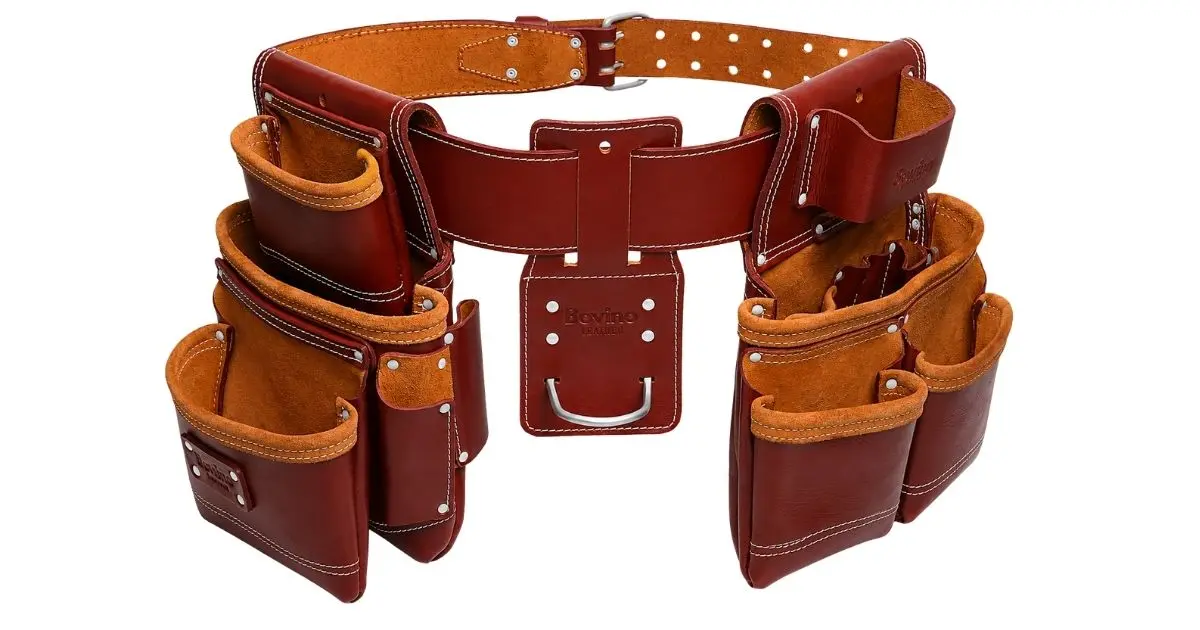
Choosing the right framer leather tool belt is one of the most important decisions a professional carpenter or contractor can make. Whether you’re framing houses, installing roofing, remodeling homes, or working on commercial construction projects, your tool belt directly affects productivity, comfort, and efficiency throughout the workday. A poorly designed tool belt can cause unnecessary fatigue, slow you down, and make it difficult to access the tools you rely on most.
Today’s professional tradesmen have more choices than ever before. Leather tool belts, nylon tool belts, framing rigs, suspenders, and modular systems all offer different advantages depending on the type of work you perform. While price is often the first factor people consider, experienced professionals know that durability, weight distribution, pocket layout, and material quality have a much greater impact on long-term performance than cost alone.
A well-designed framer leather tool belt should do more than simply carry tools. It should keep your most frequently used equipment organized, reduce unnecessary movement, balance weight evenly across your waist, and help you work comfortably during long shifts. Whether you carry a framing hammer, tape measure, speed square, utility knife, nail puller, pencils, or fasteners, every pocket should have a purpose and every tool should be easy to reach.
Professional framers often work in demanding environments where climbing ladders, walking rooflines, lifting lumber, and working overhead are part of the daily routine. In these situations, a poorly balanced tool belt can become uncomfortable after only a few hours. A quality leather framing rig or premium nylon tool belt helps distribute weight properly, allowing you to stay focused on the job instead of constantly adjusting your belt.
In this guide, we’ll explain everything you need to know before buying a framer leather tool belt. You’ll learn how to compare leather and nylon materials, evaluate pocket layouts, choose the correct belt size, understand the importance of reinforced construction, and identify the features that professional carpenters look for when selecting a reliable tool carrying system. By the end of this article, you’ll have the knowledge to choose a tool belt that matches your trade, improves your workflow, and provides dependable performance for years to come.
What Is a Framer Leather Tool Belt?
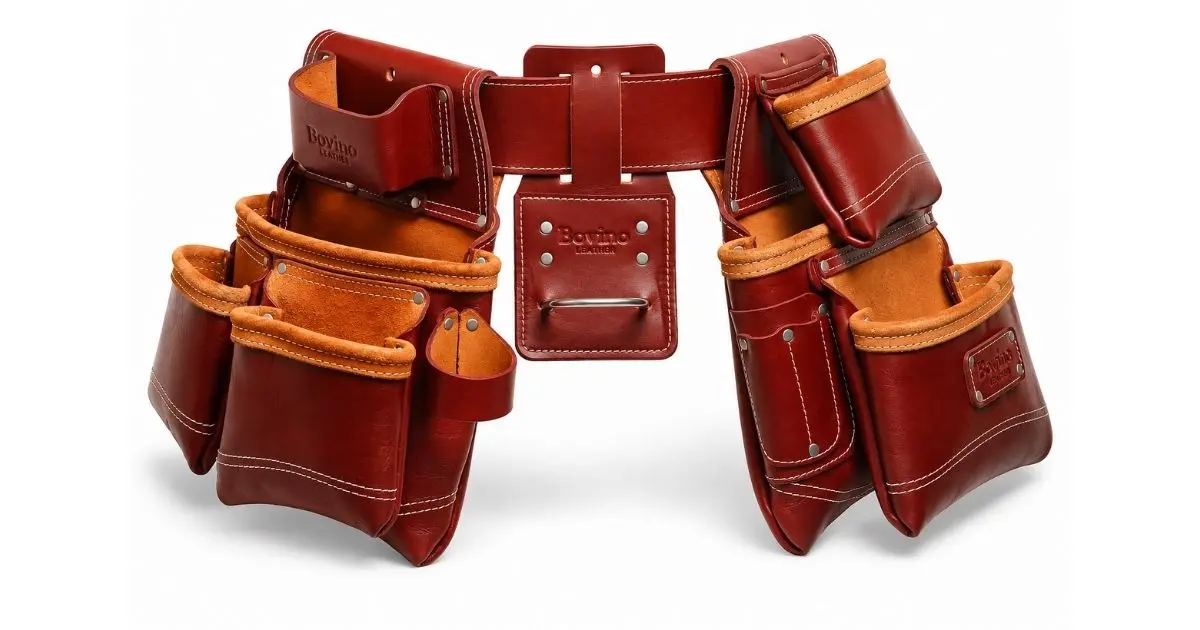
A framer leather tool belt is a specialized tool carrying system designed specifically for professional framers, carpenters, contractors, and builders who need immediate access to hand tools and fasteners while working. Unlike standard utility belts, a framing tool belt features larger storage pouches, dedicated hammer holders, tape measure clips, speed square pockets, screwdriver holders, nail compartments, and multiple tool loops arranged for maximum efficiency.
The primary purpose of a framing tool belt is to keep essential tools within easy reach while allowing both hands to remain free for cutting, measuring, lifting, climbing, and assembling building materials. Instead of walking back and forth to a toolbox dozens of times each day, professionals can carry everything they need around their waist, saving valuable time and improving productivity on the jobsite.
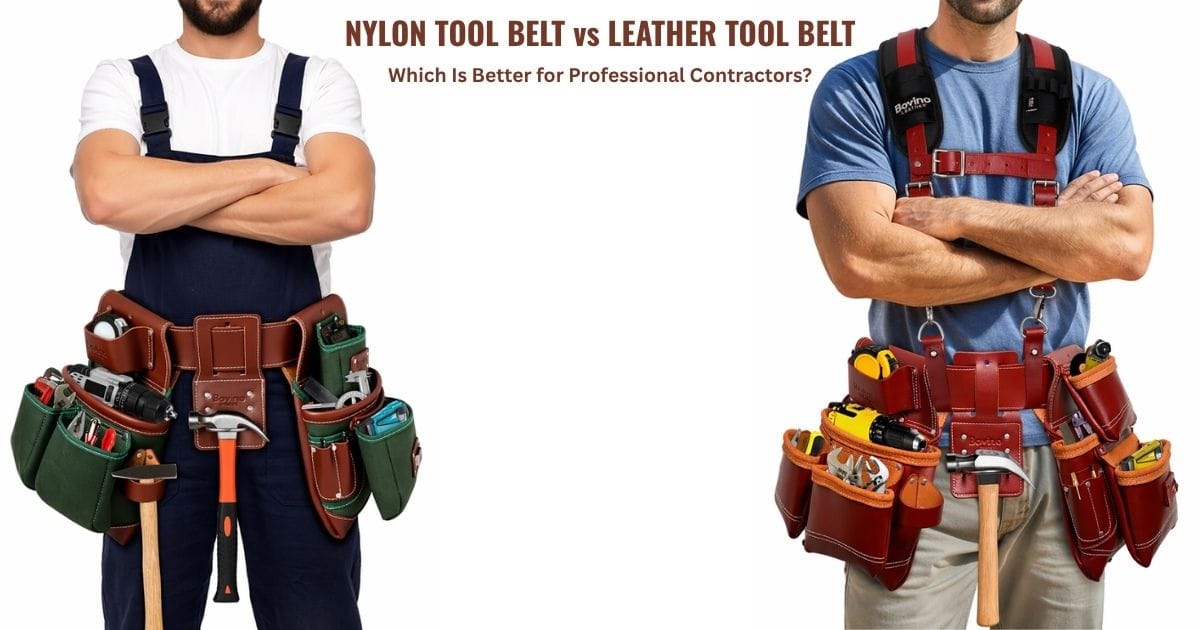
Modern framing rigs are available in both premium leather and high-performance nylon. Leather tool belts are widely recognized for their durability, structure, and long service life, while nylon tool belts are valued for their lighter weight and weather resistance. Many professionals choose one material over the other based on their working environment, personal preference, and the amount of equipment they carry each day.
The best framer leather tool belt is carefully designed to balance weight evenly across the waist while providing enough storage for the tools required during framing, roofing, remodeling, woodworking, and general construction. Features such as reinforced stitching, heavy-duty metal rivets, adjustable belts, padded support, and intelligently organized pockets all contribute to improved comfort and efficiency during long workdays.
Who Should Use a Framer Leather Tool Belt?
A framer tool belt is designed for professionals who need quick access to tools while working in demanding construction environments. Instead of repeatedly returning to a toolbox, a properly organized tool belt keeps essential equipment within easy reach, helping improve productivity, reduce downtime, and maintain a steady workflow throughout the day.
Although the name suggests it is only for framers, a professional framing tool belt is valuable for many different trades. The combination of large storage pouches, dedicated tool holders, and balanced weight distribution makes it suitable for anyone who carries hand tools and fasteners throughout the workday.
Professional Framers
Framers carry a wide range of tools including framing hammers, speed squares, tape measures, nail pullers, utility knives, chalk lines, pencils, and fasteners. A high-quality framer leather tool belt allows every tool to have its own dedicated location, reducing wasted movement and helping professionals work more efficiently.
Carpenters
Finish carpenters and general carpenters also benefit from an organized leather or nylon tool belt. Whether installing cabinets, building decks, constructing wooden structures, or completing interior trim work, having frequently used tools within reach saves time and improves precision.
Roofers
Roofing professionals spend long hours climbing ladders, walking rooflines, and working at heights. A balanced tool belt system helps distribute weight evenly while securely carrying roofing hammers, utility knives, chalk lines, fasteners, and measuring tools without interfering with movement.
General Contractors
Contractors often perform multiple tasks during a single project. They may switch between framing, measuring, cutting, fastening, and finishing work throughout the day. A well-designed professional tool belt provides the flexibility and organization needed to keep different tools accessible without carrying unnecessary equipment.
Remodelers and Builders
Home remodelers and builders frequently move between demolition, framing, electrical preparation, and finishing work. An organized framing rig minimizes interruptions by keeping commonly used tools close at hand, allowing projects to move forward more efficiently.
Electricians and Other Trades
Although electricians often use specialized pouches, many professionals prefer a framer leather tool belt because of its larger storage capacity and versatile pocket layout. It provides convenient storage for hand tools, testers, screwdrivers, pliers, tape measures, and other every
Top Features to Look for in a Professional Framer Leather Tool Belt
Not every tool belt is built for professional use. While many products may look similar at first glance, the quality of the materials, construction, and design can make a significant difference in comfort, durability, and long-term performance.
Before purchasing a framer leather tool belt, consider these essential features.
Premium Material
The material is one of the most important factors when selecting a framing rig. Premium oil-tanned buffalo leather offers exceptional durability, structure, and long service life, while heavy-duty nylon provides a lightweight alternative with excellent weather resistance. Choosing the right material depends on your work environment, personal preference, and the amount of equipment you carry each day.
Balanced Weight Distribution
A quality tool belt should distribute weight evenly around your waist rather than concentrating it in one area. Proper balance reduces fatigue, improves comfort, and minimizes lower back strain during long workdays.
Practical Pocket Layout
The number of pockets is less important than how they are organized. Look for a layout that provides dedicated storage for hammers, tape measures, speed squares, pencils, screwdrivers, utility knives, nail sets, and fasteners. A logical pocket arrangement allows faster access while keeping tools secure.
Reinforced Construction
Professional construction work places constant stress on a tool belt. Double stitching, reinforced stress points, heavy-duty metal rivets, and durable hardware all contribute to a longer service life and improved reliability.
Comfortable Adjustable Belt
A properly fitting belt should remain secure without restricting movement. Adjustable sizing, a wide support belt, and a strong metal buckle help maintain comfort while evenly distributing the weight of your tools throughout the day.
Hammer Holder and Tool Loops
A dedicated hammer holder and multiple tool loops make it easier to carry frequently used equipment without occupying valuable pocket space. These features improve workflow by keeping essential tools immediately accessible.
Long-Term Durability
A professional framer leather tool belt should be viewed as a long-term investment rather than a short-term purchase. High-quality materials and expert craftsmanship often result in years of dependable performance, making a durable tool belt more economical over time than replacing lower-quality alternatives every few months.
Leather vs Nylon Framer Tool Belts
One of the most common questions professionals ask before purchasing a framer tool belt is whether they should choose leather or nylon. Both materials have advantages, and the right choice depends on your trade, work environment, personal preference, and the type of tools you carry each day.
Leather tool belts have been trusted by professional carpenters and framers for decades because of their exceptional durability and ability to withstand demanding jobsite conditions. Premium oil-tanned buffalo leather provides outstanding strength, maintains its shape over time, and develops a comfortable personalized fit as it naturally breaks in. With proper care, a high-quality leather tool belt can provide many years of reliable service.
Nylon tool belts offer a lighter alternative for professionals who prefer reduced weight and increased flexibility. Modern heavy-duty nylon is durable, weather-resistant, and often more comfortable during extremely hot or wet conditions. Many contractors appreciate nylon tool belts because they reduce overall carrying weight while still providing excellent organization.
Neither material is universally better. If your priority is maximum durability, long-term performance, and traditional craftsmanship, a leather framer tool belt is often the preferred choice. If lightweight comfort and moisture resistance are more important, a professional nylon tool belt may better suit your work style.
If you’re still unsure which material is right for your trade, read our detailed Nylon Tool Belt vs Leather Tool Belt comparison guide, where we compare durability, comfort, maintenance, weight, storage capacity, and long-term value in greater detail.
How Many Pockets Do You Really Need?
Many people assume that more pockets automatically make a better framer leather tool belt, but that’s not always true. An efficient pocket layout is far more important than simply having the highest pocket count.
Professional framers typically carry a framing hammer, tape measure, utility knife, speed square, pencils, nail puller, chalk line, fasteners, and several hand tools. The best framing rigs provide dedicated storage for each item without overcrowding the belt.
10–12 Pocket Tool Belts
Ideal for homeowners, DIY enthusiasts, and professionals performing lighter construction work. These belts are lightweight and easy to manage but may not provide enough storage for full-time framing.
14–18 Pocket Tool Belts
A good choice for general carpenters, remodelers, and contractors who require additional organization without carrying excessive weight.
20–24 Pocket Tool Belts
Professional framers and builders often prefer larger systems with twenty or more pockets because they provide dedicated storage for specialized tools, fasteners, measuring equipment, and accessories. When designed correctly, a 20-pocket system improves organization without sacrificing comfort.
Rather than counting pockets, focus on whether the layout matches your workflow. A thoughtfully designed tool belt allows frequently used tools to remain easily accessible while heavier items stay properly balanced throughout the workday.
Choosing the Correct Belt Size
Selecting the proper belt size is just as important as choosing the right material. Even the highest-quality framer leather tool belt will become uncomfortable if it doesn’t fit correctly.
A professional tool belt should fit securely around your waist without restricting movement. If the belt is too loose, it may shift while walking, climbing, or bending. If it’s too tight, it can create pressure points and reduce comfort during long workdays.
Many premium leather tool belts are designed with adjustable sizing to accommodate different waist measurements. For example, belts that comfortably fit waist sizes from 32 to 48 inches provide flexibility for different clothing layers and seasonal work conditions.
Weight distribution also plays a major role in overall comfort. A properly adjusted belt positions the pouches evenly on both sides of the body, reducing unnecessary strain on the lower back and hips. Professionals carrying heavier loads may also benefit from adding suspenders, which transfer some of the weight from the waist to the shoulders for improved comfort during extended use.
Before purchasing, always check the manufacturer’s recommended waist size, adjustment range, and belt dimensions. Choosing the correct size from the beginning helps improve stability, comfort, and overall productivity on the jobsite.
Common Mistakes to Avoid When Buying a Framer Leather Tool Belt
Purchasing a tool belt is an investment in your daily productivity, so it’s important to avoid common mistakes that can lead to discomfort or premature replacement.
Choosing Price Over Quality
An inexpensive tool belt may save money initially, but lower-quality materials and weak construction often wear out quickly under professional use. Investing in premium materials usually provides better long-term value.
Ignoring Weight Distribution
Many buyers focus only on storage capacity while overlooking how the weight is distributed. A balanced tool belt reduces fatigue and improves comfort during long workdays.
Buying More Pockets Than You Need
Extra pockets may seem useful, but unnecessary storage often encourages carrying tools that are rarely used, adding unnecessary weight throughout the day.
Overlooking Construction Quality
Always inspect stitching, rivets, hardware, leather thickness, and reinforcement points. These details determine how well a tool belt performs after months or years of demanding jobsite use.
Choosing the Wrong Material
Leather and nylon each have advantages. Consider your working environment, climate, daily workload, and personal preferences before deciding which material best supports your trade.
How to Maintain a Leather Framer Tool Belt
A premium leather framer tool belt is a long-term investment, and proper maintenance can significantly extend its lifespan. With regular care, high-quality oil-tanned buffalo leather can provide years of dependable performance while maintaining its strength, flexibility, and professional appearance.
Clean Your Tool Belt Regularly
Construction sites expose your tool belt to dust, sawdust, dirt, moisture, and debris every day. After work, wipe the leather with a soft, dry cloth to remove loose dirt. For deeper cleaning, use a damp cloth and a leather-safe cleaner. Avoid harsh chemicals or excessive water, as they can damage the leather over time.
Condition the Leather
Leather naturally loses moisture as it ages. Applying a quality leather conditioner every few months helps maintain flexibility, prevents cracking, and keeps the leather looking its best. Conditioning also improves the leather’s resistance to everyday wear.
Store It Properly
When not in use, store your tool belt in a cool, dry place away from direct sunlight or excessive heat. Hanging the belt or laying it flat helps preserve its shape and prevents unnecessary stress on the leather.
Inspect Hardware and Stitching
Regularly check rivets, buckles, stitching, and tool holders for signs of wear. Tightening loose hardware or repairing small issues early can prevent larger problems later and keep your tool belt performing reliably.
Frequently Asked Questions
What is the best material for a framer leather tool belt?
Both leather and nylon are excellent choices. Leather offers exceptional durability, structure, and long-term performance, while nylon provides a lighter-weight alternative with excellent weather resistance. The best choice depends on your trade, work environment, and personal preference.
How many pockets should a professional framer tool belt have?
Most professional framers prefer tool belts with 18 to 24 pockets, providing enough space for hammers, tape measures, fasteners, layout tools, utility knives, pencils, and other daily essentials without creating unnecessary bulk.
How should a framer leather tool belt fit?
A properly fitted tool belt should sit securely around your waist without restricting movement. The pouches should remain balanced on both sides of your body, allowing you to walk, climb, bend, and work comfortably throughout the day.
Is leather better than nylon for professional framing?
Neither material is universally better. Leather is often preferred for maximum durability and long service life, while nylon is favored by professionals looking for reduced weight and increased flexibility. The right choice depends on the demands of your daily work.
How long does a quality leather tool belt last?
With proper care and regular maintenance, a premium oil-tanned leather tool belt can provide many years of reliable service. Cleaning, conditioning, and proper storage all help extend its lifespan.
Final Thoughts
Choosing the right framer leather tool belt is about more than carrying tools—it’s about improving comfort, productivity, and efficiency on every jobsite. A well-designed tool belt keeps your essential equipment organized, distributes weight evenly, and allows you to focus on the work instead of constantly searching for tools.
Whether you prefer the rugged durability of premium leather or the lightweight flexibility of nylon, investing in a high-quality tool belt will pay off over years of professional use. Consider the material, pocket layout, belt size, construction quality, and overall comfort before making your decision.
If you’re looking for a professional-grade solution, explore the BOVINO Framer Leather Tool Belt System, designed with premium oil-tanned buffalo leather, reinforced construction, and an organized 20-pocket layout built for serious tradesmen. If you prefer a lighter option, compare it with our BOVINO Nylon Tool Belt System to determine which best suits your workflow and jobsite needs.
No matter which style you choose, the right tool belt becomes more than just a piece of equipment—it becomes an essential part of how you work, helping you stay organized, productive, and ready for every project.