Blog
Nylon Tool Belt vs Leather Tool Belt – Best Choice for Contractors in 2026

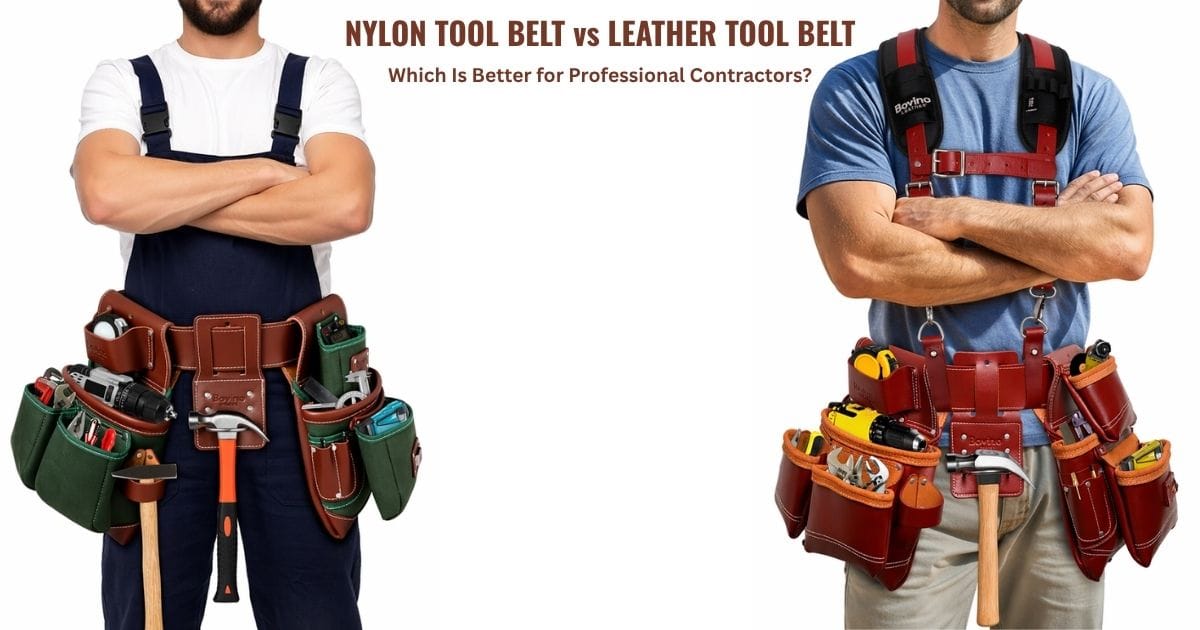
When choosing a tool belt, professionals often face one important question: should you buy a nylon tool belt or a leather tool belt? Both options offer real advantages, but the best choice depends on your trade, work environment, and personal preference. This guide compares them directly so you can decide based on how you actually work, not just brand claims.
Why a Quality Tool Belt Matters
A professional tool belt keeps essential tools within easy reach while reducing unnecessary movement throughout the workday. Tradespeople spend long hours carrying tools, which is exactly why durability and comfort matter more here than they might for occasional-use gear.
Advantages of a Nylon Tool Belt
Modern nylon tool belts have become popular among contractors for two main reasons: weight and weather resistance.
Lightweight construction. Nylon is significantly lighter than leather, which helps reduce strain during long workdays, especially when you’re also climbing or bending repeatedly.
Water resistance. Unlike leather, nylon performs well in wet or humid environments and dries quickly, which matters for outdoor work in variable weather.
Flexibility. Nylon stays flexible even after extended use, allowing easier movement on job sites without a break-in period.
Lower maintenance. Nylon requires minimal care compared to leather and can be cleaned quickly when exposed to dirt or dust.
When combined with leather reinforcements at key stress points, a nylon tool belt can deliver solid long-term performance while keeping the flexibility and lighter weight that make it appealing in the first place.
Advantages of a Leather Tool Belt
Leather tool belts remain the preferred choice for many professional framers and carpenters, largely for durability reasons.
Superior durability. Full grain buffalo leather can withstand years of heavy-duty use; that durability comes down to leather grade specifically. See our Full Grain Leather Guide for what actually separates high-quality leather from lower-grade alternatives.
Professional appearance. Leather develops a patina over time, creating a look that many tradesmen prefer over synthetic materials.
Structural support. Leather provides better support for carrying heavier tool loads than most synthetic alternatives.
Long-term investment. A well-made leather tool belt can last for many years when properly maintained, often outlasting several nylon replacements over the same period.
Nylon Tool Belt vs Leather Tool Belt Comparison
| Feature | Nylon Tool Belt | Leather Tool Belt |
|---|---|---|
| Weight | Lighter | Heavier |
| Durability | High | Very High |
| Water Resistance | Excellent | Moderate |
| Flexibility | Excellent | Break-in Required |
| Maintenance | Easy | Moderate |
| Professional Appearance | Good | Excellent |
| Comfort | High | High |
Nylon Tool Belt vs Leather Tool Belt Cost Comparison
| Feature | Nylon Tool Belt | Leather Tool Belt |
|---|---|---|
| Initial Cost | Lower | Higher |
| Durability | High | Very High |
| Maintenance Cost | Low | Moderate |
| Lifespan | Good | Excellent |
| Value Over Time | Good | Excellent |
Recommended Tool Belt for Professional Contractors
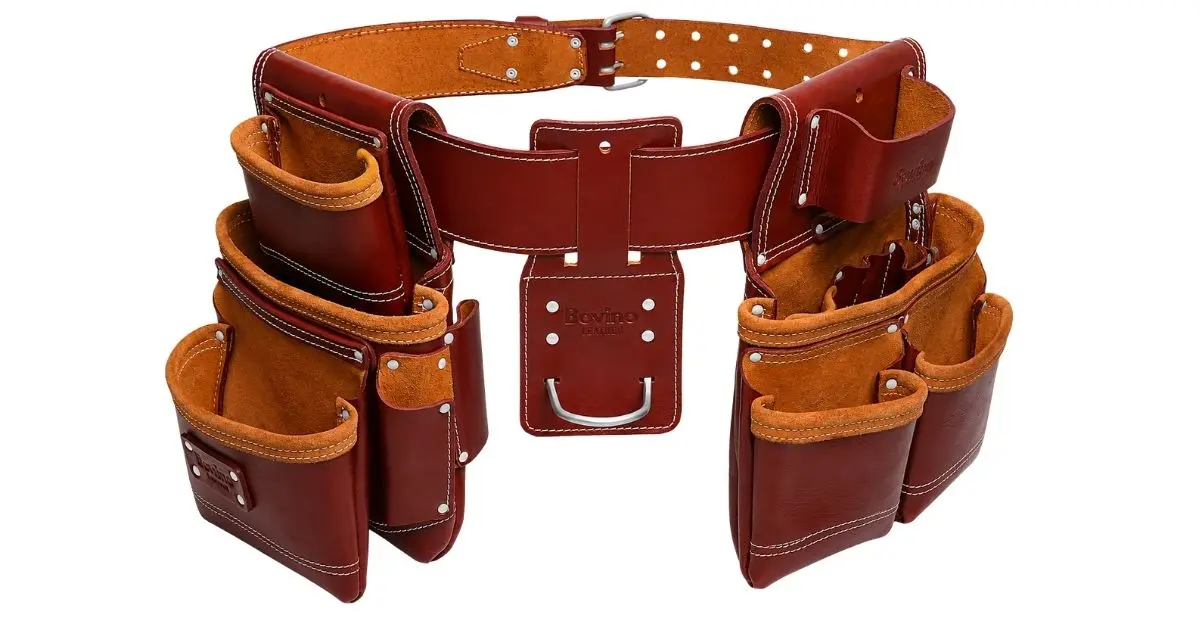
The BOVINO Nylon Leather Tool Belt System combines oil-tanned buffalo leather with reinforced heavy-duty nylon construction, aiming to capture the practical benefits of both materials rather than forcing a choice between them.
Key features include:
- 21 storage pockets
- Hammer holder
- Tape holder
- Multiple screwdriver loops
- Balanced weight distribution
- Adjustable waist fit
- Reinforced rivets and stitching
Product Link: View the Bovino Nylon Leather Tool Belt System
How to Choose the Right Nylon Tool Belt
When selecting a nylon tool belt, consider storage capacity, material quality, adjustability, and overall comfort. A good tool belt provides enough pockets for your commonly used tools while keeping a balanced design that avoids unnecessary strain on your back and hips. Adjustable waist sizing matters too, for a secure fit throughout the day, along with reinforced stitching, heavy-duty rivets, and quality hardware for long-term durability. If you’re regularly carrying heavier tools, a hybrid nylon-and-leather belt can combine lightweight construction with more structural support than pure nylon offers.
For the full picture beyond just materials, sizing, capacity, care, and trade-specific buying advice, see our Ultimate Guide to Leather Tool Belts.
Final Verdict
Neither material is universally better; the right choice comes down to what you actually need on the job. If lightweight comfort, weather resistance, and easy maintenance matter most to you, nylon is the practical pick. If you’re prioritizing maximum durability, traditional craftsmanship, and a belt built to last years rather than seasons, leather earns its higher cost.
For contractors who don’t want to choose between the two, the Bovino Nylon Leather Tool Belt System pairs buffalo leather with reinforced nylon construction, aiming to give you durability and structural support alongside the comfort and flexibility that make nylon appealing for full-day wear.
For workplace safety guidelines, visit the OSHA Construction Safety Standards page