


Blog
How to Choose the Best Electrician Tool Belt, A Complete Buyer’s Guide 2026

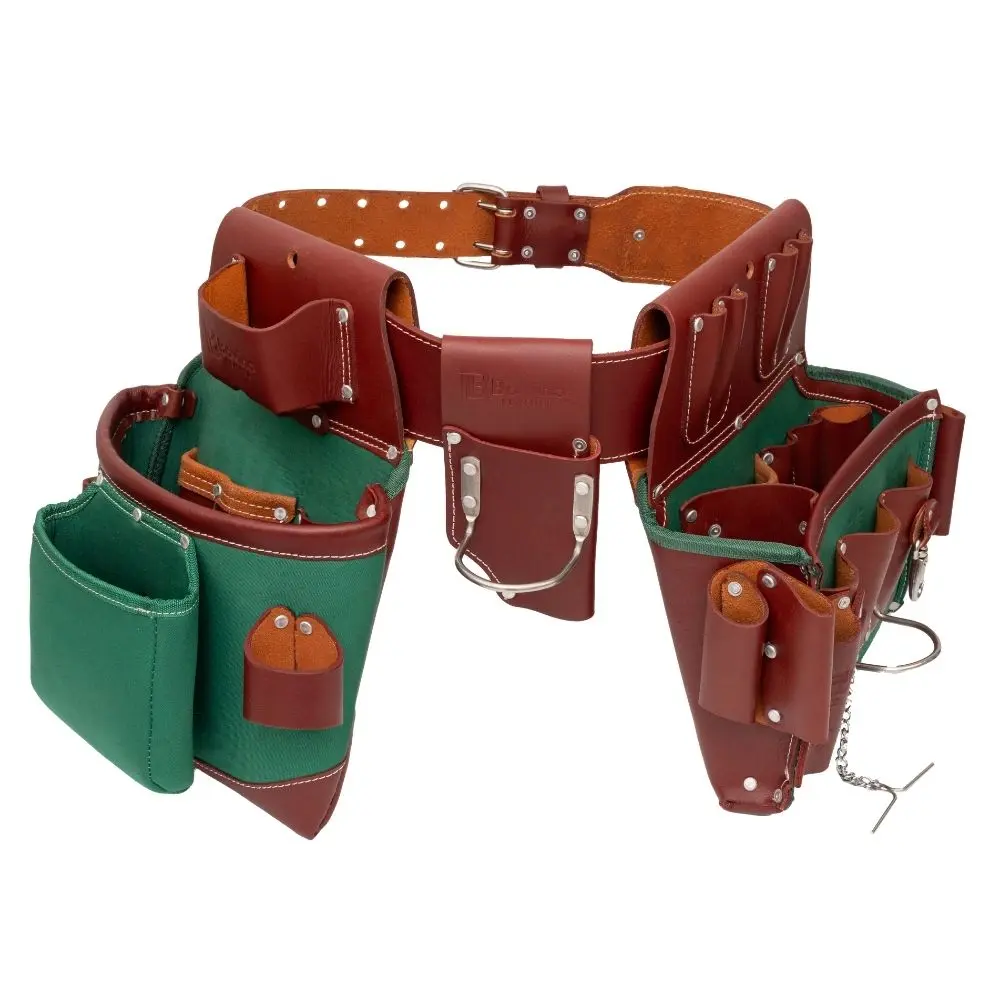
Electrical work punishes gear differently than framing or carpentry does. You’re not swinging a hammer all day. You’re climbing ladders, crawling through attics and crawlspaces, working in electrical panels, and reaching into tight spots where a bulky framer’s rig just gets in the way. The tools are smaller, but there are more of them, and losing thirty seconds fishing for a wire stripper adds up fast across a ten-hour day.
A tool belt built for framing won’t solve that problem. This guide covers what actually makes a tool belt work for electrical work specifically: pocket layout, material choice, sizing, and the mistakes that lead electricians to replace a belt within the first year.
What Makes an Electrician Tool Belt Different
A framer’s belt is built around capacity: big pouches, hammer loops, room for fasteners and a speed square. An electrician’s belt is built around organization and access. You’re carrying a much wider variety of small tools and supplies (pliers, strippers, testers, wire nuts, tape, connectors), and you need to find the right one without looking, often while standing on a ladder or reaching overhead.
That changes what “well-built” means for this trade. Instead of one or two large pouches, a good electrician’s rig typically splits into a larger primary pouch for daily-use tools and a smaller secondary pouch for specialized or less-frequent items, keeping the whole layout scannable at a glance.
Top Features to Look For
Dual-pouch organization. A single oversized pouch turns into a junk drawer fast. Splitting storage into a larger main pouch and a smaller companion pouch, the way most professional-grade electrician rigs are built, keeps daily tools (pliers, strippers, a tester) separate from supplies you reach for less often (extra connectors, spare fasteners, specialty bits).
Material: leather, nylon, or a hybrid. This matters more for electricians than almost any other trade, and it’s worth its own section below.
Dedicated tool holders. A hammer loop is standard on most belts, but electricians benefit more from a tape holder and swivel snap hook for a flashlight or voltage tester. Those are tools you want instantly accessible, not buried in a pocket.
Weight distribution. Electrical tools are individually light, but 20+ small tools and connectors add up. A belt that’s just one wide strap concentrates that weight on one point of your waist; a properly built rig spreads it front-to-back.
Hardware quality. Stainless steel buckles and D-rings resist corrosion better than plated hardware, which matters if you’re doing outdoor service calls or working in humid mechanical rooms.
Leather, Nylon, or Hybrid: Which Is Right for Electrical Work?
This is the one decision worth slowing down on. We cover the general tradeoffs in our leather vs. nylon comparison, but electrical work has a specific wrinkle: you’re moving more (climbing, crouching, reaching into panels) than a framer standing at a wall.
Full leather gives you the durability and shape-holding structure covered in our Full Grain Leather Guide, but a fully leather rig loaded with 30+ pockets worth of tools and hardware can get heavy over a full shift.
Full nylon is lighter, but lacks the structure to keep pouches open and scannable, which is exactly the organization electricians need most.
A leather-and-nylon hybrid is usually the practical middle ground for this trade: oil-tanned leather where structure and durability matter most (the belt itself, high-stress attachment points), paired with reinforced nylon panels on the pouches to cut overall weight. You get a rig that holds its shape and organization without adding unnecessary pounds to a belt you’re wearing eight-plus hours a day, climbing and crouching the whole time.
How Many Pockets Do You Actually Need?
More isn’t automatically better. A belt with 40 disorganized pockets is worse than one with 20 well-arranged ones. What matters is the split between your two pouches.
A practical baseline for full-time electrical work: a larger pouch (20+ pockets) for pliers, wire strippers, cutters, voltage testers, tape, and fasteners (your daily-use tools), and a smaller secondary pouch (10-15 pockets) for screwdrivers, nut drivers, and precision tools you use less constantly but still want on you. That two-tier split is what separates a genuinely organized electrician’s rig from a general-purpose belt with electrical tools crammed into it.
If you’re doing lighter service work rather than full installs, you can usually get away with fewer total pockets, but keep the same two-pouch logic rather than going back to a single catch-all pouch.
Sizing and Fit for All-Day Wear
Electricians spend more time bending, crouching, and reaching overhead than most trades, so fit matters more here than almost anywhere else:
- Measure over your work clothes, not your bare waist. The same rule applies to any tool belt, but it matters more if you layer up for outdoor or unheated jobsite work.
- Prioritize range of motion over a snug fit. A belt that digs in when you crouch into a panel or reach into an attic hatch will slow you down and cause fatigue well before your tool weight does.
- Consider suspenders if you’re carrying real weight. Once total tool and hardware weight climbs past roughly 15 pounds, distributing that load across your shoulders instead of your waist alone makes a measurable difference over a full day, particularly for electricians who are also climbing ladders repeatedly. Our dedicated suspenders guide covers setup and sizing in more detail; in the meantime, our Premium Leather Tool Belt Suspender pairs with any belt-and-pouch setup.
Common Mistakes When Buying an Electrician Tool Belt
Buying a framer’s or carpenter’s rig instead. It’s tempting to buy whatever heavy-duty belt is popular, but a framing-oriented belt is built for large tools and fasteners, not the smaller, more numerous items electrical work requires. You’ll end up with pockets too large for what you’re actually carrying.
Choosing based on pocket count alone. A 40-pocket belt with no logical layout is harder to work from than a well-organized 25-pocket one. Look at how the pockets are grouped, not just how many there are.
Ignoring weight when fully loaded. A belt that feels light empty can feel very different with pliers, strippers, a tester, and a spool of wire nuts in it. If possible, check the loaded weight or read reviews that mention it.
Skipping suspenders too early. Waist-only support works fine at lower tool weights, but electricians who wait until their back is already sore before adding suspenders are fixing a problem that could’ve been avoided from day one.
Maintenance for a Leather-Nylon Hybrid Belt
A hybrid rig needs slightly different care than a full-leather belt:
- Clean the leather components the same way you would any oil-tanned leather: wipe down dirt, condition periodically, avoid prolonged water exposure. Full details in our Full Grain Leather Guide.
- Check nylon stitching and seams periodically, since nylon panels see more flex-related wear than structural leather does.
- Keep hardware dry. Stainless steel resists corrosion well, but wiping down buckles and D-rings after wet or humid jobs extends their life regardless.
- Empty pouches when not in use for extended periods. Leaving connectors, fasteners, or damp materials sitting in a pouch long-term can affect both the leather and nylon components.
Frequently Asked Questions
What is the best tool belt for electricians?
The best electrician tool belt splits storage into a larger pouch for daily-use tools (pliers, strippers, testers) and a smaller pouch for specialized items, uses a leather-and-nylon hybrid construction to balance durability with weight, and includes dedicated holders for a hammer, tape, and accessories rather than relying on general-purpose pockets alone.
Should electricians use a leather or nylon tool belt?
A hybrid of both is usually the practical choice: leather for structure and durability where it matters most, reinforced nylon on the pouches to keep overall weight manageable across a full shift of climbing and crouching.
How many pockets does an electrician tool belt need?
There’s no fixed number, but a two-tier layout (a larger pouch with 20+ pockets for daily tools and a smaller pouch with 10-15 pockets for specialized items) covers most electrical work better than a single large pouch with more total pockets.
Do electricians need suspenders with a tool belt?
If your total tool and hardware weight is consistently above roughly 15 pounds, suspenders meaningfully reduce lower back and shoulder strain, especially with the amount of climbing and crouching electrical work involves.
What tools should an electrician’s tool belt hold?
Typically lineman pliers, wire strippers, a voltage tester, a utility knife, electrical tape, wire nuts and connectors, a tape measure, and a handful of screwdrivers or nut drivers, split across a primary and secondary pouch based on how often each is used.
How much should a quality electrician tool belt cost?
A well-built leather-and-nylon hybrid rig with a genuine dual-pouch system, hammer holder, tape holder, and stainless steel hardware typically falls in the $150-$200 range. Below that, expect compromises in either material quality or pocket organization.
Final Thoughts
An electrician’s tool belt isn’t a smaller version of a framer’s rig. It’s built around a different problem: organizing a wide variety of small tools for fast, one-handed access while you’re climbing, crouching, and reaching all day. Getting the pouch layout and material balance right matters more here than raw capacity.
Our Electrician Nylon Leather Tool Belt is built around exactly this problem: a 35-pocket system split across a 23-pocket primary pouch and a 12-pocket secondary pouch, oil-tanned buffalo leather paired with reinforced nylon, and a full hardware set including a hammer holder, tape holder, and swivel snap hook. It’s currently out of stock. Add it to your wishlist to get notified when it’s back.
In the meantime, our Framer Leather Tool Belt System and Oil-Tanned Leather Tool Belt are both in stock and built from the same premium materials, if you need a rig sooner. For the full picture on choosing between leather and nylon generally, or sizing a belt for your trade, see our Ultimate Guide to Leather Tool Belts.
